

Porsche GT4 RS — SilverRocket Wing Riser Project
SFG Autohaus installed a SilverRocket wing riser on a Porsche GT4 RS — an aerodynamic upgrade that raises the rear wing to a more aggressive position while complementing the additional front aero components on this enthusiast build.
A SilverRocket Wing Riser on the Porsche GT4 RS
The Porsche 718 Cayman GT4 RS is a track-focused mid-engine sports car with a prominent factory rear wing. For this project, SFG Autohaus installed a SilverRocket wing riser — a component that raises the wing to a taller position, changing both the visual stance and the aerodynamic profile of the car. The original SFG Instagram post documented the installation, and a related customer post credited SFG for the work and described additional aerodynamic components including a front splitter extension and canards. The customer's description shows this as a build with coordinated front and rear aero — the kind of project where each component is chosen to work together as part of a balanced setup.
Featured Components
SilverRocket Wing Riser
A wing riser is a pair of brackets or blocks that replace the factory mounts between the rear wing and the decklid, raising the wing to a taller position. SilverRocket is an aftermarket manufacturer known for Porsche aero components. On a GT4 RS, the factory wing is already a significant piece — a riser changes its height and angle, which can alter the visual stance of the car and the way the wing interacts with airflow. The riser is a bolt-on component: the factory mounts are removed, the riser brackets are installed in their place, and the wing is remounted on the raised brackets.
Front Splitter Extension and Canards
The customer's post described additional aerodynamic components on this build, including a front splitter extension and canards. A front splitter is a horizontal panel at the front of the car that extends the lower edge of the front bumper downward, helping to manage airflow under the car. A splitter extension adds length to that panel. Canards — sometimes called dive planes — are small vertical fins mounted on the front bumper that help direct airflow outward along the front of the car. Together with a raised rear wing, these components form a coordinated aero package where the front and rear are intended to balance each other.
Understanding the Upgrade
The General Purpose of a Wing Riser
A wing riser raises the rear wing higher above the decklid, which changes the wing's relationship with the airflow over the car. In general terms, raising the wing can place it in cleaner air — further from the turbulent boundary layer along the roofline and rear deck — and can alter the angle at which the wing presents to the oncoming flow. The visual effect is also significant: a taller wing gives the rear of the car a more aggressive, purposeful look. The specific aerodynamic effect of any riser depends on the car, the wing, and the overall setup, so it is best discussed as a modification that changes the aero profile rather than one that guarantees a particular performance gain.
Aerodynamic Balance Considerations
On a mid-engine car like the GT4 RS, the rear wing and the front aero work as a pair. Raising the rear wing changes the amount of downforce (or the balance of downforce) at the rear of the car, and the front of the car needs to be able to match that so the car remains balanced at speed. That is why many builds that add a wing riser also address the front — with a splitter extension, canards, or both. The goal is for the front and rear to work together so that changes in downforce do not create an imbalance that makes the car unpredictable at speed. For a road car, the considerations are different from a dedicated track build, but the principle of balancing front and rear aero applies in both contexts.
Visual and Functional Aero Components
Aerodynamic components serve both visual and functional purposes. A wing riser, a splitter extension and canards all change how the car looks — giving it a lower, wider, more aggressive stance. They also change how the car interacts with airflow, which matters more at higher speeds and on track. For an enthusiast build like this GT4 RS, the components are often chosen because they look right for the car and because they fit the owner's intended use, whether that is track days, spirited road driving, or a show-quality appearance. The key is that each component is chosen and installed to suit the specific vehicle rather than being a generic add-on.
Installation and Vehicle-Specific Compatibility
Aero components need to fit the specific vehicle generation. A wing riser for a GT4 RS is engineered for that car's wing and decklid; a front splitter extension needs to match the GT4 RS front bumper. Correct installation means the components are securely mounted, that they do not interfere with the car's moving parts (vents, intakes, suspension travel), and that fasteners are torqued and checked. Poorly fitted aero can vibrate, crack, or come loose. SFG approaches these installations with attention to how each component mates to the factory mounting points and how it behaves at speed. Any specific downforce figure, lap-time improvement or safety certification for a particular component would need to be confirmed from the manufacturer's documentation rather than assumed.
Project Gallery
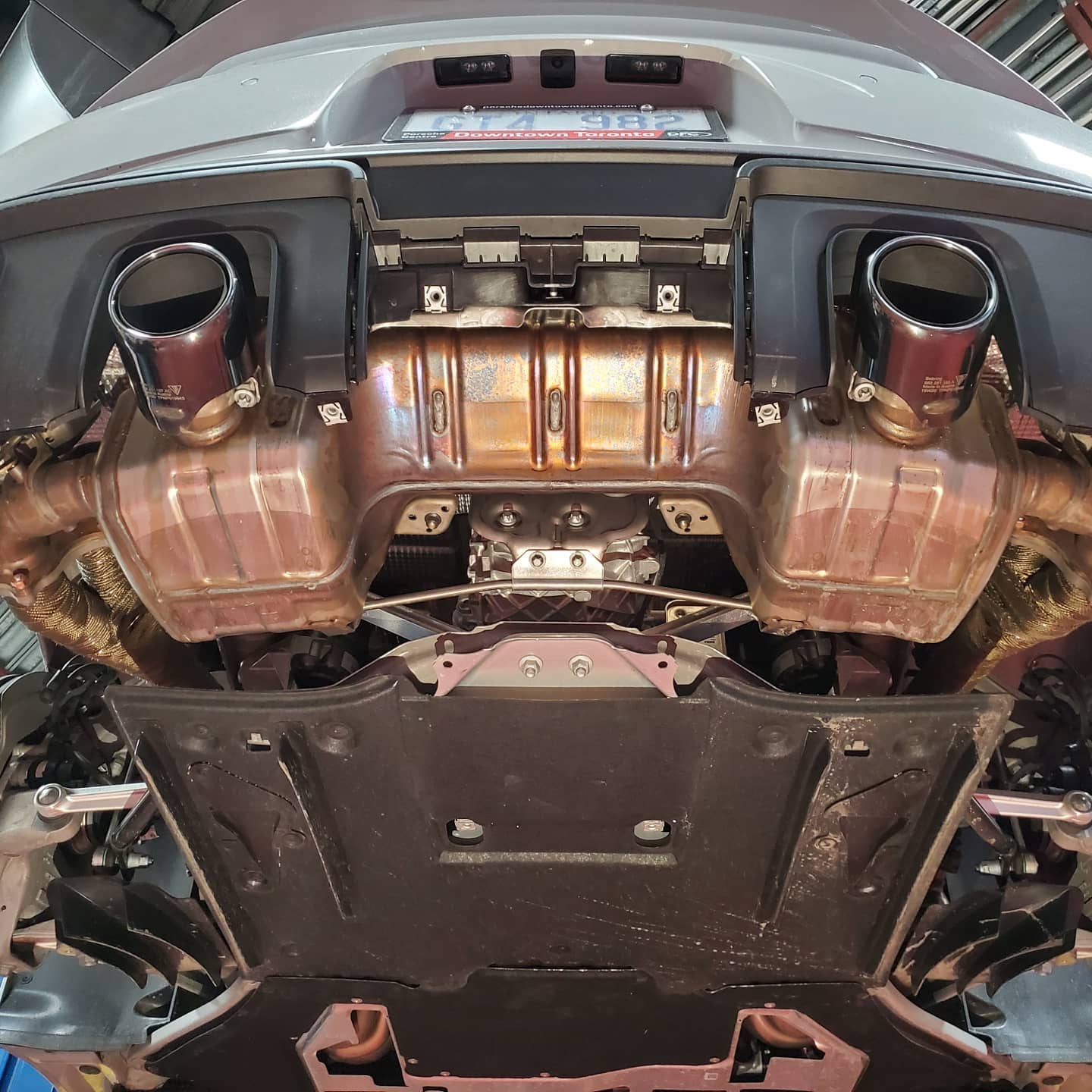
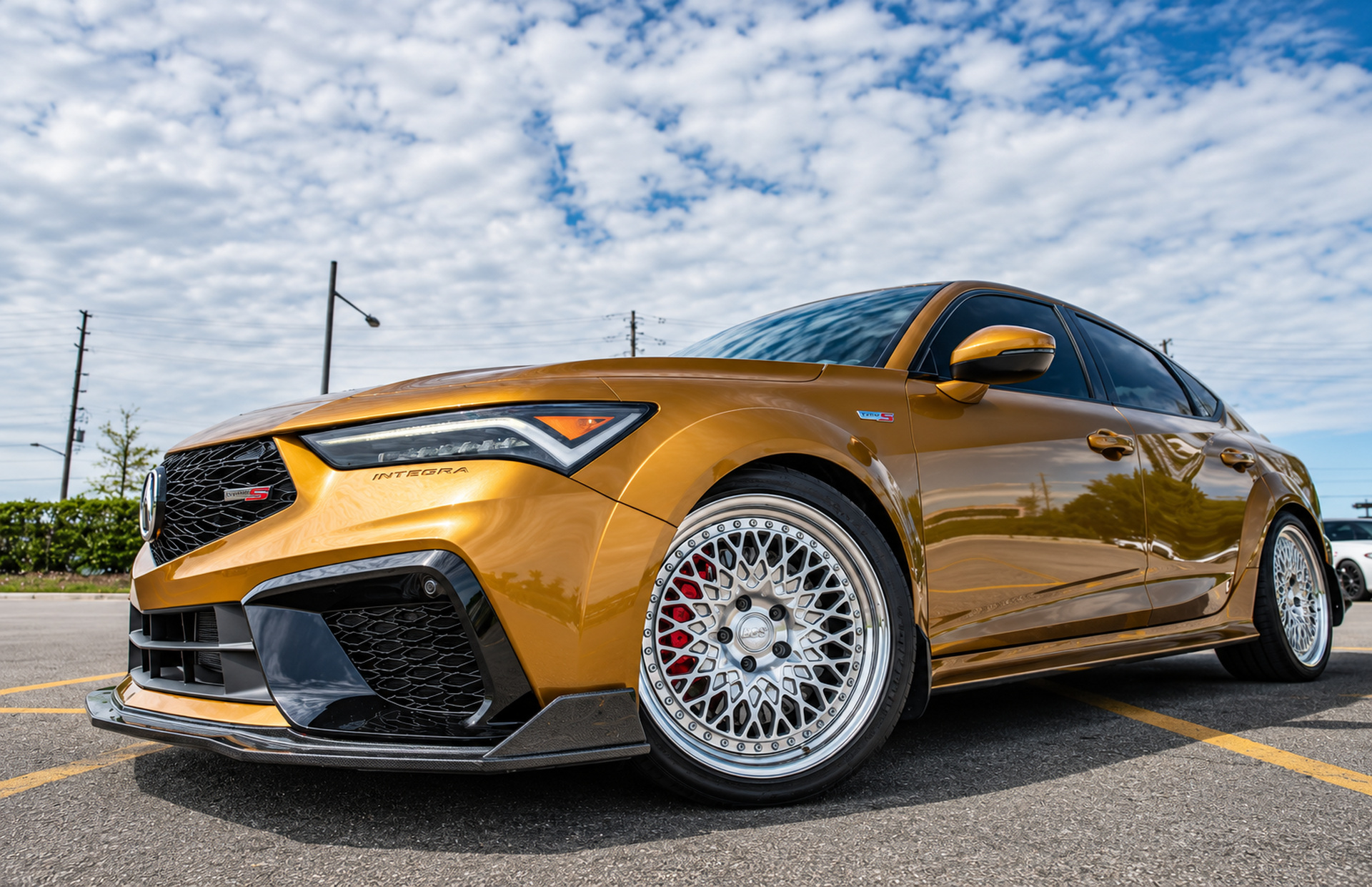
SFG Autohaus photograph of the Porsche GT4 RS featured in this project. The original Instagram post linked below documents the SilverRocket wing riser installation.
View the original SFG Autohaus Instagram post about this Porsche GT4 RS SilverRocket wing riser installation. A related customer post is also available.Related Services
Planning an Upgrade for Your Vehicle?
Contact SFG Autohaus in Markham to discuss maintenance, repairs, aftermarket parts or performance upgrades for your vehicle.
Get a Free Estimate